About Our Company
Our 100-hectare farm is located on the edge of the Lower Silesian Forests, rich in mushrooms, blueberries and large game.
In addition to breeding, taking advantage of our location, we also deal with the purchase, processing and export of forest produce.
We started breeding deer as a family in 2004. Earlier, for several years, visiting many European farms, we gained the necessary knowledge that paid off in our later work. We started with fencing 20 ha and purchasing 100 fallow deer does and 10 bucks. Currently, our enclosures cover 100 ha, home to 350 fallow deer, 300 red deer and 200 mouflons.
This is our great passion, which gives us a lot of satisfaction and brings measurable benefits. The investment turned out to be a bull's eye. The constantly growing demand for breeding stock and venison creates a unique opportunity for people with initiative, and motivates us to systematically expand our breeding.
Our Offer
We provide our buyers with all necessary information and maintain constant contact with them. In addition to excellent animals, they receive our help and advice. We provide transport throughout the country.
Fallow Deer
- pregnant does
- bucks
- calves
Red Deer
- pregnant hinds
- stags
- calves
Mouflons
- ewes
- rams
Forest Produce
- venison
- purchase and processing
- export
Gallery
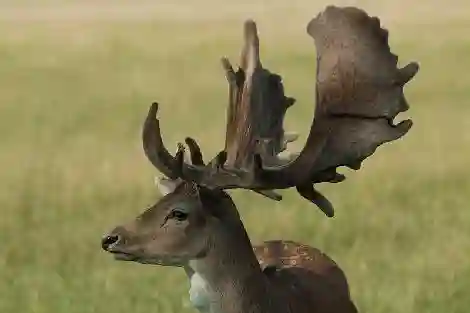
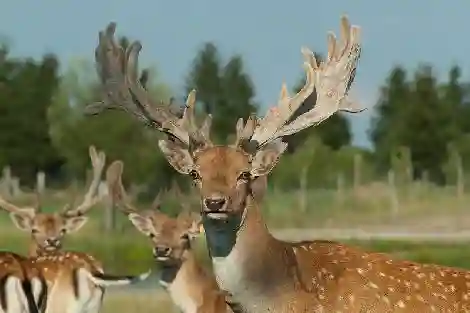
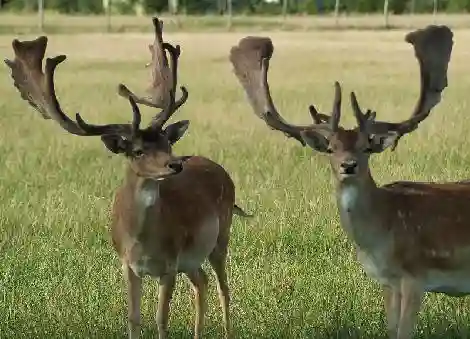
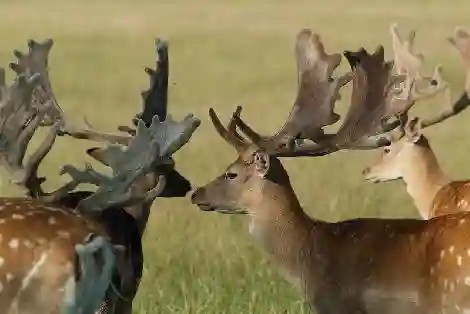
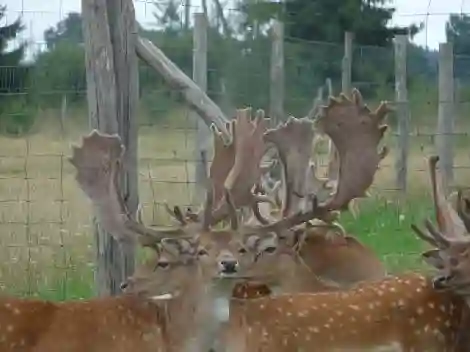
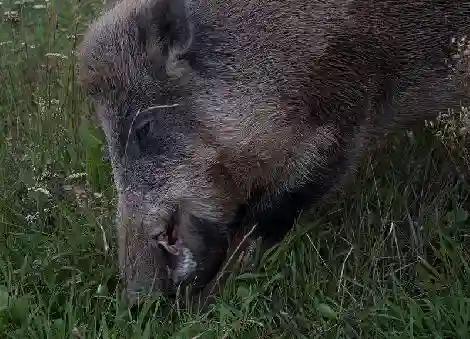
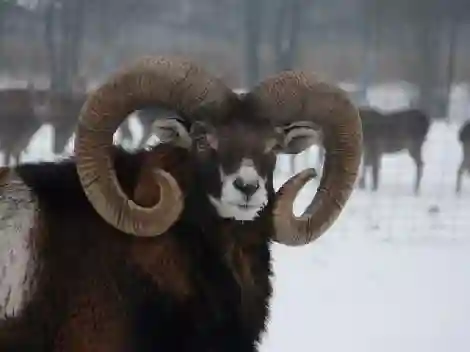
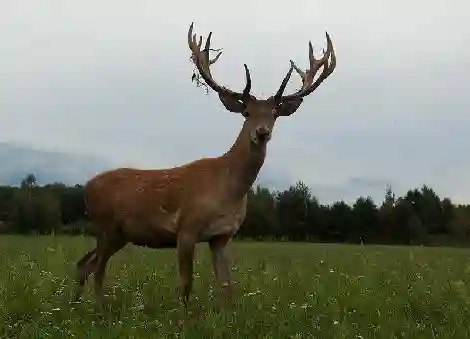
Breeding Details
Red Deer Breeding
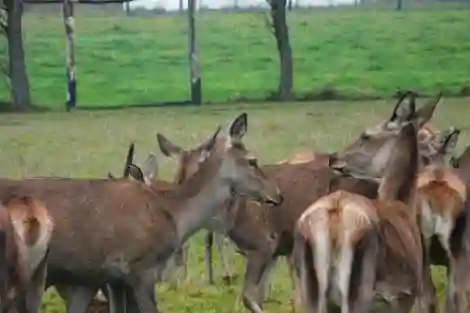
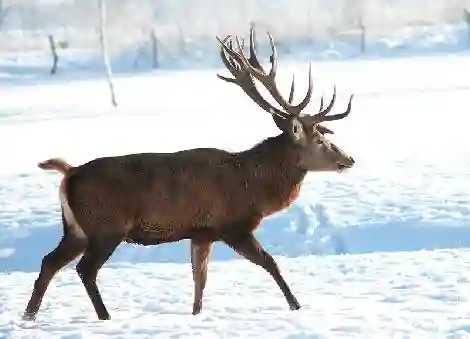
Our enclosures are home to approx. 100 red deer and their number is constantly growing. They are divided into two breeding herds, stags and female and male calves.
Breeding criteria:
- Origin: animals from the best European breeding farms
- Condition: hinds 100-140 kg, stags 150-250 kg
- Age: breeding hinds not older than 5 years
- Stag antlers: appropriate quality for age
Feeding: only natural feed - carrots, beets, oats, barley, corn, hay, haylage, salt in lick stones.
Maintenance cost: approx. 110 PLN per year. Preventive deworming twice a year.
Fallow Deer Breeding
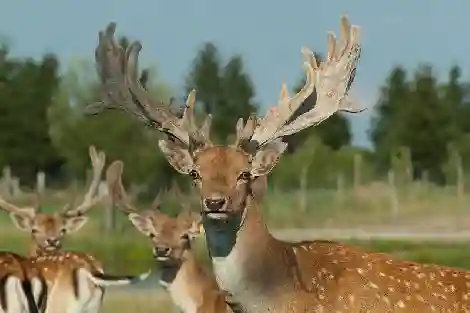
Our enclosures are home to approx. 350 fallow deer divided into three breeding herds, bucks and calves.
Breeding criteria:
- Origin: best European breeding farms
- Condition: does 55-60 kg, bucks 70-120 kg
- Age: breeding does up to 5 years
- Antlers: appropriate for age
Feeding: natural feed - carrots, beets, cereals, hay, haylage, salt in lick stones. In winter approx. 0.7 kg of grain per day.
Maintenance cost: approx. 100 PLN per year. Fallow deer are trusting and easy to tame.
Frequently Asked Questions (FAQ)
Currently, our enclosures are home to approximately 350 fallow deer, 300 red deer and 200 mouflons. All animals come from the best European breeding farms and are divided into breeding herds, buck/stag groups and female and male calves.
Yes, we provide transport throughout the country. Additionally, we provide all necessary information, maintain constant contact with buyers and offer help and breeding advice.
Our animals are fed exclusively natural feed which includes: carrots, beets, oats, barley, corn, hay, haylage. The use of salt in lick stones is essential. In summer, animals have constant access to water, lick stones and good pasture.
The annual cost of maintaining one red deer is approximately 110 PLN, while a fallow deer costs approximately 100 PLN. In winter, the daily feed requirement is about 0.7 kg of grain for a fallow deer and about 1.2 kg of grain for a red deer. Hay is available without restrictions.
Breeding fallow deer is not difficult - they are quite trusting animals and are easily tamed. Breeding red deer requires a bit more attention, as they are less trusting, but with the right time and patience they can be tamed. Both species bring a lot of satisfaction and measurable benefits.
Preventive deworming is necessary twice a year - it can be done by injection or by administering the preparation in feed. Regular veterinary care and proper feeding are the foundation of a healthy breeding.
Yes, in addition to breeding deer, taking advantage of our location on the edge of the Lower Silesian Forests, we also deal with the purchase, processing and export of forest produce.
In our breeding, we follow the principle that breeding does/hinds should not be older than 5 years. This ensures optimal reproductive condition of the herd and high quality offspring.
Breeding Dictionary - Definitions
Fallow Deer (Dama dama)
A ruminant species from the deer family. In breeding we distinguish does (females), bucks (males) and calves (young). Adult does weigh 55-60 kg, bucks 70-120 kg. They are trusting and easy to tame.
Red Deer (Cervus elaphus)
A large deer species. In breeding there are hinds (100-140 kg), stags (150-250 kg) and calves. Red deer are less trusting than fallow deer, requiring more attention and patience in breeding.
Mouflon (Ovis orientalis musimon)
Wild sheep originating from Corsica and Sardinia. In breeding we distinguish ewes (females) and rams (males). Mouflons are hardy and well adapted to various conditions.
Breeding Enclosure
A fenced area for keeping and breeding deer species. Our enclosures cover a total of 100 ha, divided into breeding herds and reproductive groups.
Salt Lick
A block of mineral salt placed in the enclosure, essential in the feeding of ruminants. It supplements mineral and electrolyte deficiencies, supports proper animal metabolism.
Deworming
A preventive procedure involving the administration of antiparasitic agents. In our breeding, performed twice a year - by injection or in feed.
Breeding Herd
A group of adult animals (does/hinds and bucks/stags) intended for reproduction. In breeding, we use division into herds, which allows control of kinship and optimization of reproduction.
Forest Produce
Products obtained from forests - mushrooms, blueberries, forest fruits and venison. We conduct purchase, processing and export of forest produce using our location on the edge of the Lower Silesian Forests.
Pregnant Doe/Hind
A female fallow deer or red deer that is pregnant or with a young. Particularly valuable in breeding due to the possibility of further reproduction and herd expansion.
Contact
PPHU JAR
68-120 Iłowa
Konin Żagański 51
POLAND - Lubuskie Province
+48 68 360 91 22
markhorhunt@gmail.com